











Two parents and a baby having a picnic in a field

Support for IET members and their families

We’re Foothold, the benevolent fund for the IET. We’re a charity that’s been here for IET members and their families since 1890.

We're here to make sure that no engineer has to face life's challenges alone.

135 years of supporting IET members

Support we offer

We're committed to standing by IET members for life, including into retirement.

If you (or your family member) have ever had an IET membership, you may be eligible for:

And if there's something you're struggling with and you can't see the solution above, get in touch and we'll figure out the way forward together.

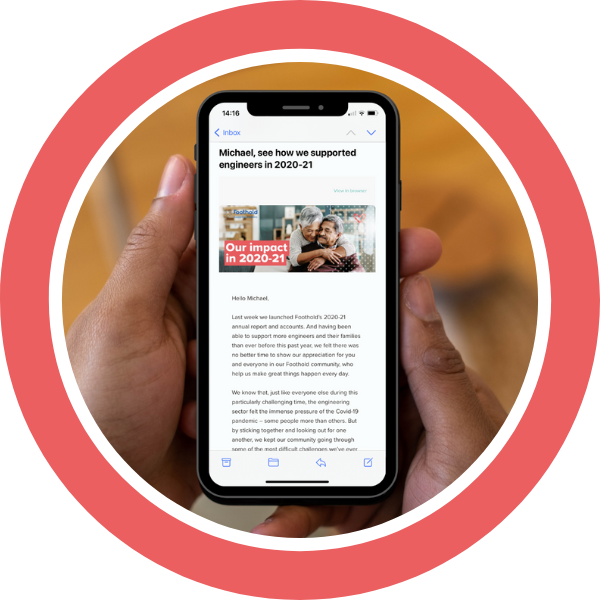
Get expert advice and support, straight to your inbox

An image showing someone's hands holding a mobile phone. The phone is displaying a version of the Foothold monthly newsletter.

Online support

As well as tailored support for IET members, we have a range of online support for the whole engineering community.

Questions about Foothold?

135 years of supporting IET members

1890
The beginning
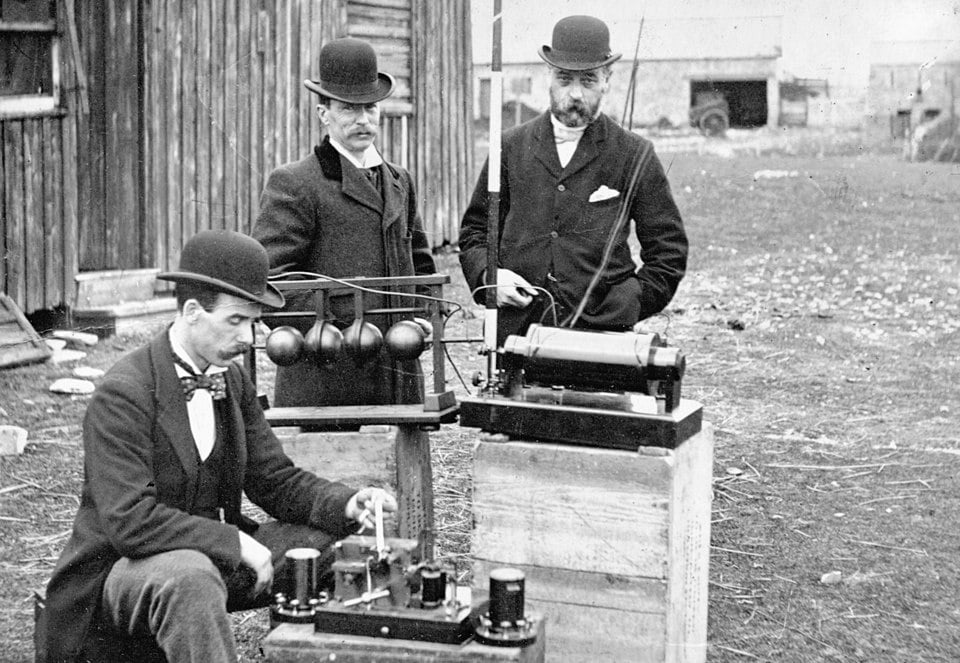
British Post Office engineers at the world's first demonstration of the transmission of radio signals over open sea, 1897. Source: Cardiff Council Flat Holm Project. Permission: Creative Commons.
On 27 March 1890, a benevolent fund was set up by members of the Institution of Electrical Engineers (IEE, now The IET). Its aim was to give financial help to those in need.

The first committee chair

John Hopkinson – then IEE President, inventor of the three-phase power distribution system, and pioneer of electric railways – became the benevolent fund’s first committee chair.

Early donations from prominent engineers
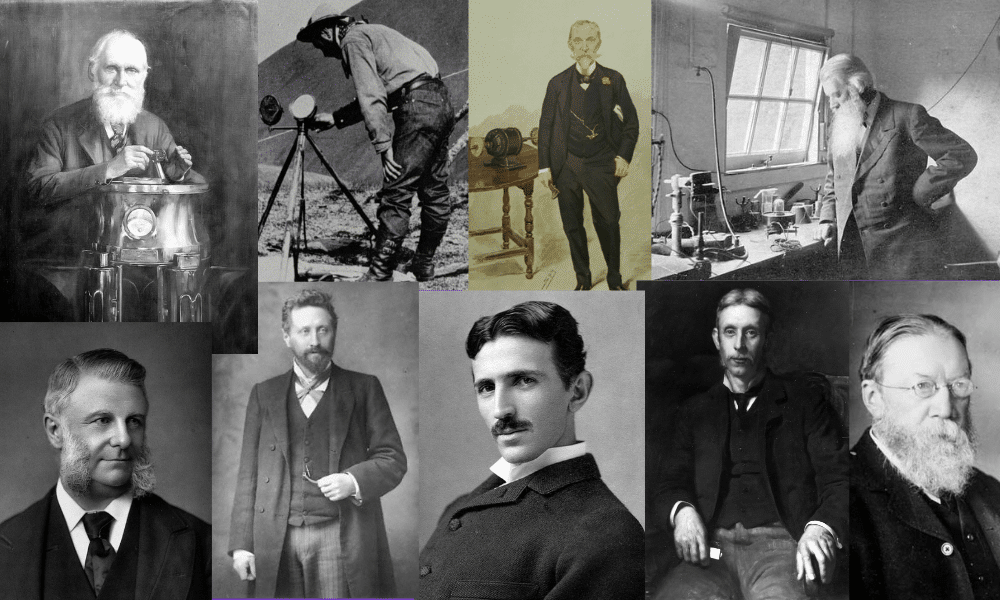
A collage of portraits of prominent engineers, including Tesla, Kelvin and Siemens

Among the first donors were the era’s most influential engineers – including Kelvin, Siemens and Tesla. Their support showed how vital they felt it was to support fellow engineers during difficult times.
1900
The first recorded grant

On 10 October 1900, the fund awarded its first grant – £20 (about £2,500 today) – to Charles Capito, an engineer who authored papers on electrical engineering, mathematics and mechanics.

Early grants
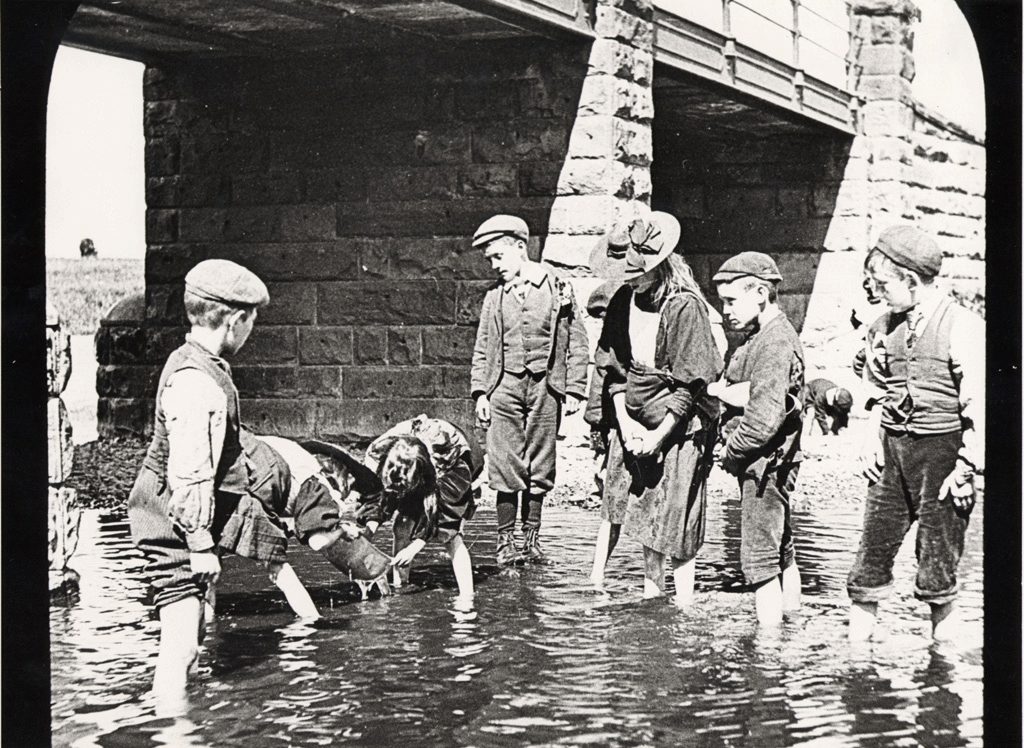
Children playing in the river, 1900s. Photo credit: thiswascumbria.uk

While we don’t know the reason for Charles Capito’s grant, early grants often supported people out of work, covered funeral costs, addressed hardship caused by disability or illness, and helped widows with essentials such as rent.
A standout grant

One standout grant in the early 20th century was support for the widow and daughters of Heinrich Hertz, the German physicist who proved the existence of electromagnetic waves. His daughter Mathilde Hertz went on to become one of the first female pioneers of biology.

1944
Wartime appeal
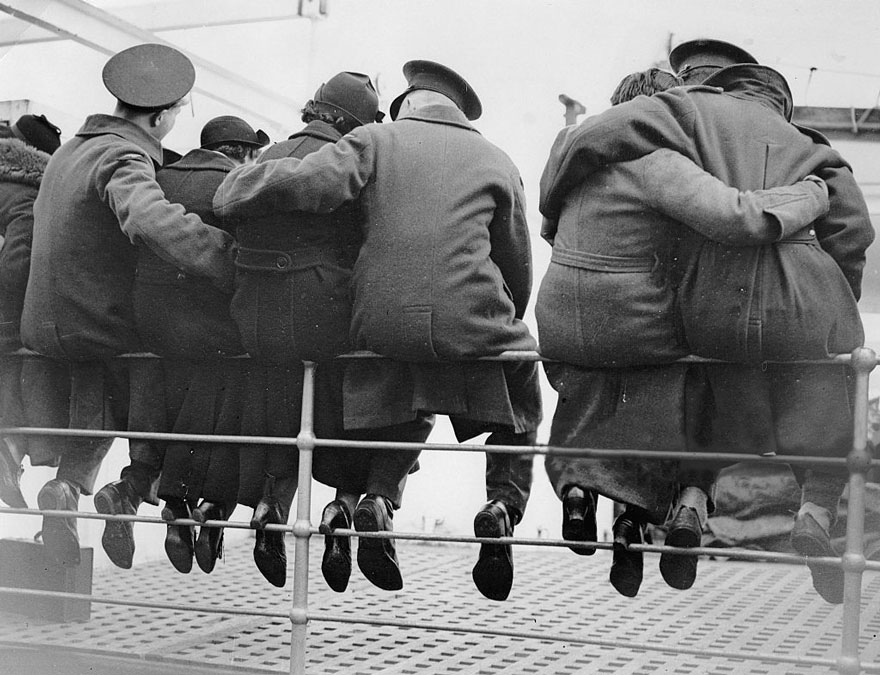
Soldiers returning from the war in 1945. Image credit: thinkinghumanity.com

In 1944, an appeal was started for a homes fund for engineers returning from war. Two generous donations followed, which shaped the future of Foothold…
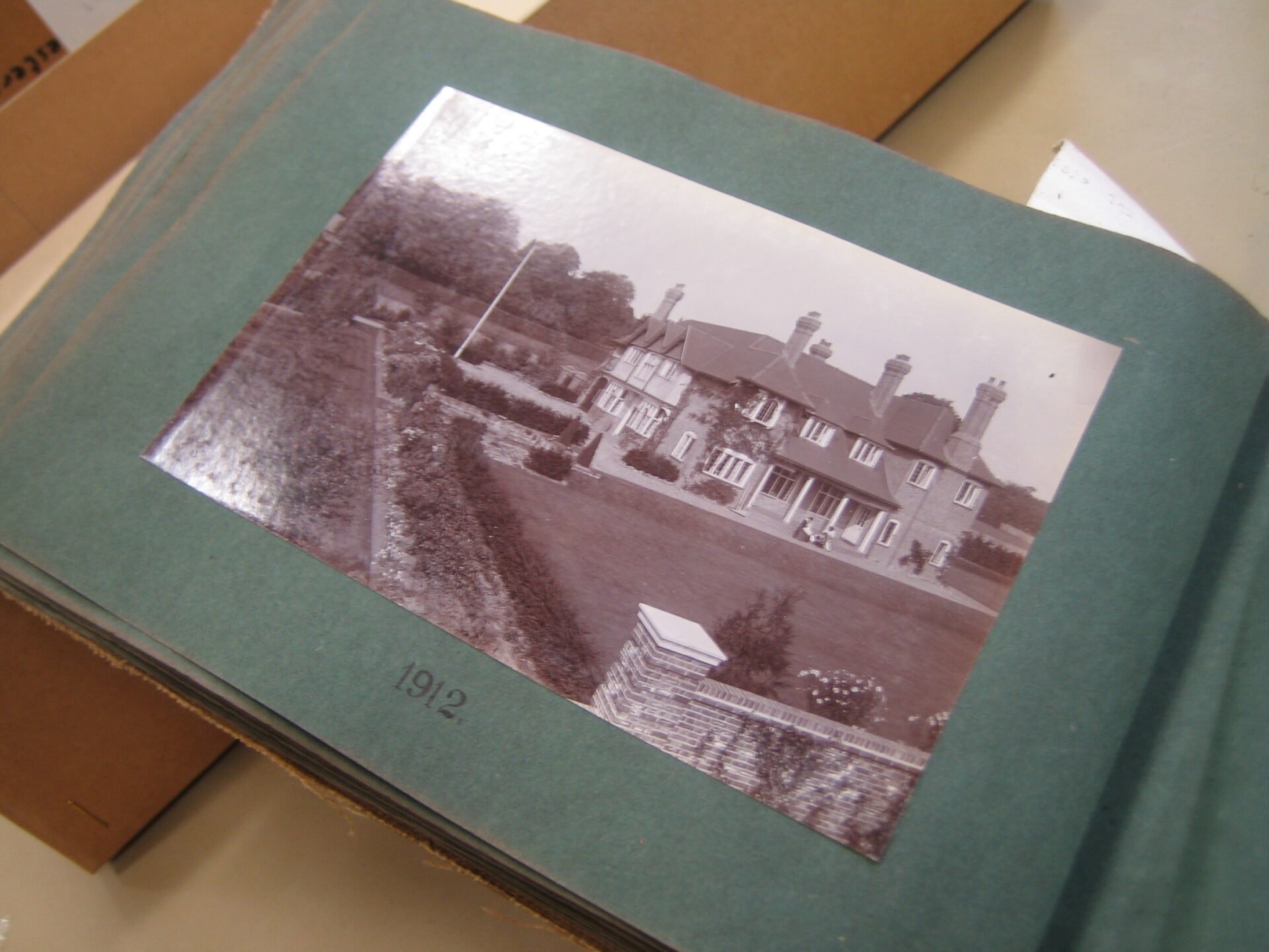
Speirs House, or as it was known then, Chester House, in 1912

One anonymous member donated his house as a home for “aged, infirm or convalescent members”. The second donation was from Charles Speirs who offered his house and estate to house people returning from the war.
1950
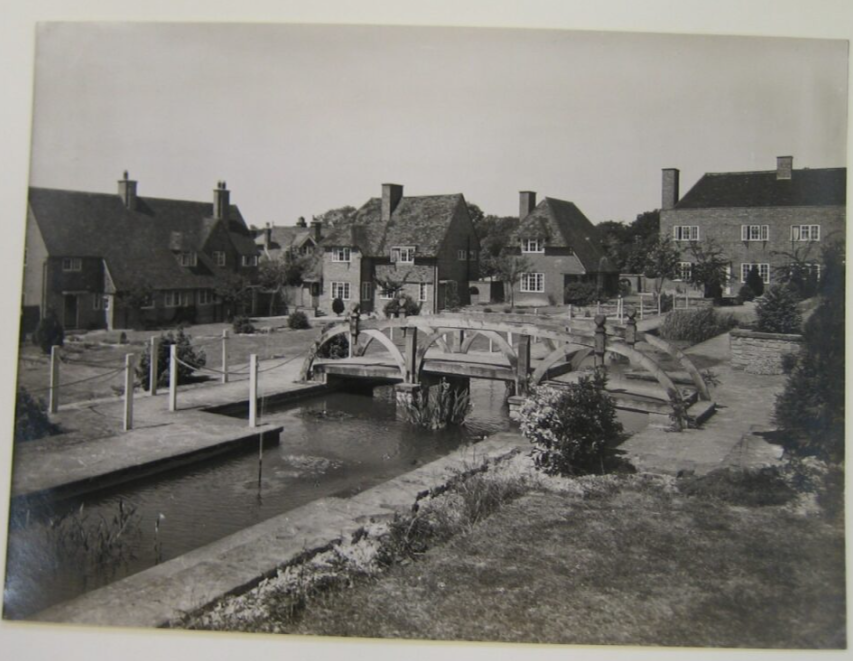
The Chester’s Estate
The Chester's Estate

26 homes were built on Charles Speirs’s property, the Chester’s Estate. The first house was occupied in July 1950, and the rest of the estate opened in May 1951.
The organisation grows

As the number of Local Centres (now called Local Networks) grew, so did the Court of Governors, with nearly 50 people meeting 3 times a year.

1962
Registered as a charity

In 1962, the benevolent fund became a registered charity in its own right.

1977
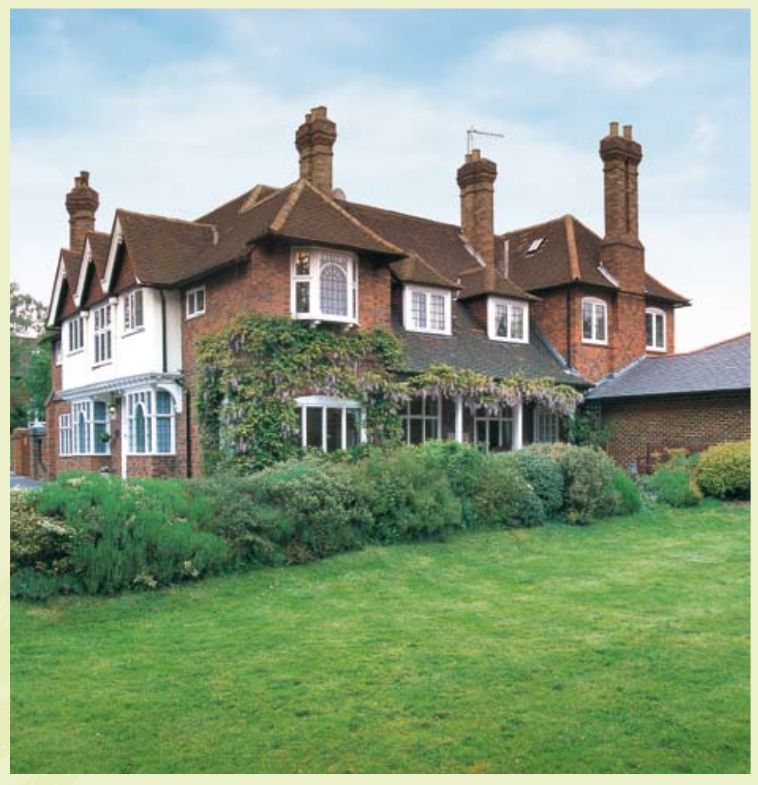
Speirs House
Speirs House today

Charles Speirs gifted the charity the funds to purchase his estate, continuing its use to support engineers. In 1977, half of the estate was sold to finance the conversion of Chester House into a modern residential home – renamed Speirs House – providing accommodation for 26 residents.

1990
100th birthday

In 1990, the organisation celebrated 100 years of supporting engineers and their families.

2002
New board of trustees
An out-of-focus shot of a board meeting

In 2002, the organisation formed a smaller board of 10 trustees.
2003
Expanding support

Research with community members was carried out to make sure the charity was keeping pace with their needs. It became clear that needs went beyond financial support. A range of other advice and support was needed.

2006
The IET rebrands
The Institution of Engineering and Technology logo

The IEE and IIE merged to become the IET. The charity changed its official name to ‘the Institution of Engineering and Technology Benevolent Fund’. We chose ‘IET Connect’ as our trading name, to reflect that we provided support beyond financial grants.

2007
Expanding career support
A person sits with a career support coach

We introduced an employment support programme, including one-to-one sessions with a career consultant, to help members who had been made redundant to get back into work. The programme saw immense success, supporting over 100 people in 12 months.
2010
The Speirs Fund

In 2010, Speirs House was sold and the proceeds used to create the Speirs Fund, which still supports engineers with care and respite needs today.

2013
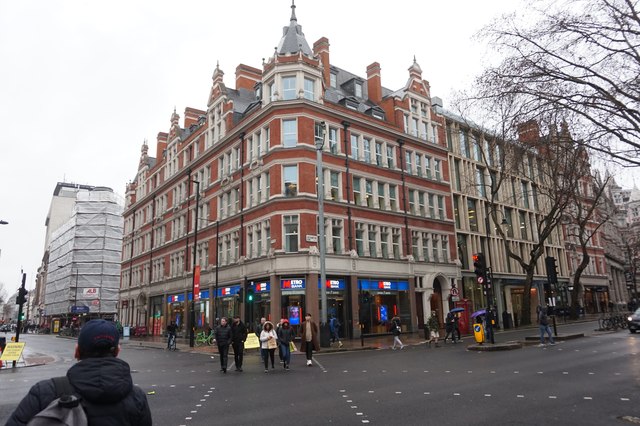
From Savoy Place to High Holborn
High Holborn in London

In 2013, the charity moved locations to High Holborn. More staff were hired to cover its growing roles and responsibilities.
2019
New CEO, new strategy, new name
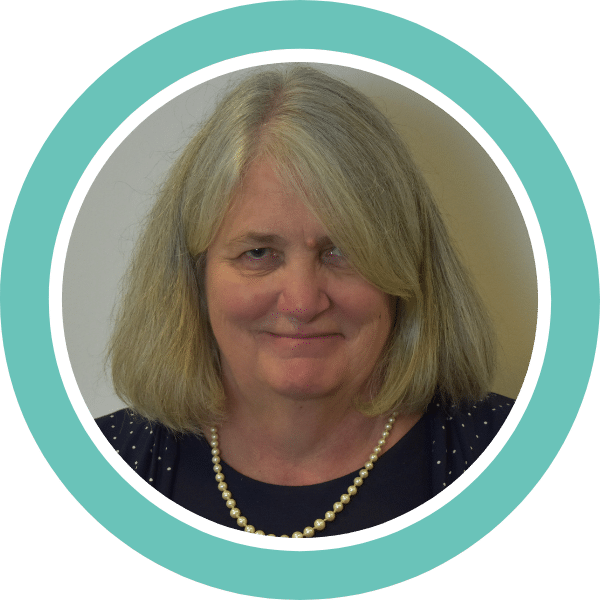
Foothold CEO, Jane Petit

In 2019, the charity welcomed Jane Petit as the new CEO. We embarked on a research project to find out how we could do more, informing our three-year strategy.

Findings showed that the name ‘IET Connect’ didn’t resonate with our community and the term ‘benevolent fund’ wasn’t familiar. So, we rebranded to Foothold and began expanding the support we offer.

2020
The charity turns 130

We celebrated 130 years of supporting IET members and their families.

2022
3-year strategy ends

When we launched our three-year strategy in 2019, we set out to provide joined-up, accessible and personalised support, build resilience in our engineering community, and develop our supporter base.

Here’s how we did:

  • £5.4m spent for the community
  • 41,000 services delivered
  • 2,213 people supported
  • 60 countries reached
New strategy starts

In 2022 we launched our new five-year strategy to 2027, with three objectives:

  1. Enable our community to participate in a socially inclusive lifestyle.
  2. Empower our community to increase their resilience to life’s challenges.
  3. Sustain support for and from our community.
2024
Expanding online support
A man with grey hair and glasses looking at his phone

We grew our range of online support for the whole engineering community to include:

2025
125 years of grantmaking

In 2025, we celebrated 125 years since that first grant was made to Charles Capito in 1900. Here’s to many more years of supporting engineers and their families.

Foothold FAQs

You can learn all about the ways we can support you and your family on our website here.

If you need to apply for support, you can fill in our initial enquiry form and a member of our team will get back to you.

Have more questions? We're here to help – get in touch.

Back to the top?

A man and a baby watch a webinar. The man is taking notes.

Support and advice, wherever you are

We offer a free webinar every month for the engineering community. Our expert speakers cover topics from mental and physical health, to personal finance and planning for the future.