

Keeping your brain active
Your brain is your most important organ. Taking care of and nurturing it can play a key role in improving your wellbeing.
Taking care of your brain
Keeping your brain active and supporting your personal growth is key to living well and maintaining a positive state of wellbeing. The good news is there are plenty of ways to make this happen day to day.
Reaching your full potential
All our brains are different. But for those of us who are neurodiverse, our brains share certain characteristics in how we process and interpret the world. And sometimes, this can create difficulties with ‘fitting in’ with the neurotypical way of doing things. We can provide support for diagnosed and undiagnosed neurodiverse community members, to help you work with your brain and reach your full potential in life and in work.
If you’re a student on your first engineering course and you think you may be neurodivergent, you may be eligible for a fully funded, fast-tracked diagnosis through our Engineering Neurodiverse Futures programme. We can also provide funding for adult engineers to access a diagnosis too. Find out more on our Neurodiversity Support page.
Improving your wellbeing
You can also access free online support to help you learn how to take care of your financial, mental and physical wellbeing. We can also put you in touch with people like you in our community if you feel you want to talk to someone about any issues you may be experiencing, to improve your emotional and mental health.
Engaging with your community
Volunteering for a good cause is also a great way to keep your mind active and enjoy new experiences. Check out our volunteering opportunities today.

Support information available to you

Neurodiversity support
- Engineering Neurodiverse Futures programme
- Funding for adult diagnosis

Wellbeing support
- Wellbeing Hub
- Monthly webinars
Your stories
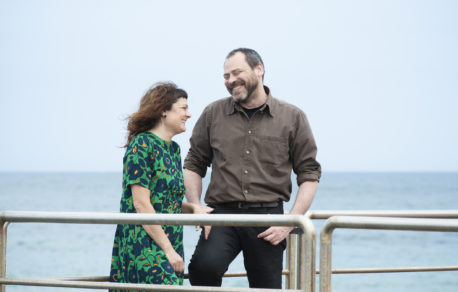
“When I received the email saying we would receive a £1000 grant, I couldn’t believe what I was reading – I cried with relief. This help means the world to us. We can get back on an even keel now. I would say to anyone who is struggling don’t hesitate to get in touch with Foothold — they were brilliant.”Louise View story Read quote by Louise
You may also be interested in
Not quite what you're looking for?

Blog

Navigating the hidden costs of disability
Disabled people often face extra, hidden costs. You don't have to manage this alone – here's where to look for support.

Support for carers in engineering
During Carers Week 2026, we’re recognising how vital carers are and sharing the ways we can support you.

How are you feeling? How Foothold’s free tool can support your mental health
Take a moment to reflect on how you're feeling with our confidential online support tool.