
Navigating the hidden costs of disability
Engineering thrives on different perspectives and ways of thinking. Yet disabled people are still underrepresented in the profession. According to Engineering UK, 14% of people working in engineering and technology identify as disabled, compared with 19% across other sectors.
For many people, the biggest barrier isn’t their condition itself. It’s the extra costs and logistics that come with it. This is sometimes called the ‘disability tax’ – the extra financial burden that disabled people can face simply to access the same opportunities as everyone else.
The disability tax
The disability tax can take many forms. It might mean buying specialist equipment, adapting your home, paying for care, arranging accessible transport, or funding assessments needed to access support.
For some people, these costs arise suddenly following illness or injury. For others, they’re ongoing expenses that become part of everyday life.
The Joseph Rowntree Foundation has found that, due in part to these costs, disabled people face a consistently higher risk of poverty than people who are not disabled.
If you or a family member becomes disabled or develops a long-term health condition, there may be support available to help you with disability-related costs.
Start by exploring local support
The support available will depend on where you live. In some countries, local authorities or government services can assess your needs and provide equipment, adaptations or care support. In other countries, charities and community organisations may be the best place to turn.
If you’re in the UK, a good first step is to contact your local council’s adult social care department and ask for a needs assessment.
The assessment looks at what support could help you. It may include an occupational therapy assessment to identify equipment or changes that could make daily life easier. Many councils can provide aids and equipment at little or no cost.
Even if local services can’t provide everything you need, an assessment is still useful. It can help you understand your needs and provide evidence when applying for support elsewhere.
When other support is needed
If you don’t have council or government support in your area – or if your local council can’t fund what you need – other organisations may be able to help.
If you or your family member has worked or studied in engineering, Foothold may be able to help you with disability-related costs.
Equipment
Our care and disability grants can help fund specialist equipment, technology and other practical solutions to make day-to-day life easier.
When an off-the-shelf solution doesn’t exist, we work with REMAP, a charity that makes customised equipment for disabled people. This could mean adapting an existing product or creating something completely new, tailored to your needs.
Carer support holidays
Many families rely on carers who provide support every day, often alongside work and other responsibilities. Our grants can help fund holidays for disabled people and their carers. Taking a break can help both people rest and recharge.
Support for neurodivergent engineers
If you’re neurodivergent, you may not see yourself as disabled. In the UK, neurodivergence is legally classed as a disability when it has a significant long-term impact on daily life.
We may be able to help fund a fast-tracked neurodiversity assessment, helping you understand your needs and access the right support.
You don’t have to manage the costs alone
Disability, long-term health conditions and caring responsibilities can bring extra costs. But you don’t have to manage them alone.
Your local council, charities and specialist organisations may all be able to help. The most important step is to ask what support is available and explore your options.
Foothold may be able to help you access equipment or practical support to live more independently and confidently. Learn more and check your eligibility.
Help us support disabled engineers and their families
No one should face barriers because of the extra costs that can come with disability.
Donations to Foothold help fund practical support that can be life-changing to engineers and their families.
If you’d like to support disabled members of the engineering community, please consider making a donation today.

Support for carers in engineering
During Carers Week 2026, we’re recognising how vital carers are and sharing the ways we can support you.

How are you feeling? How Foothold’s free tool can support your mental health
Take a moment to reflect on how you're feeling with our confidential online support tool.

Foothold’s community survey results
What engineers told us about their health, wellbeing and finances.
Your stories
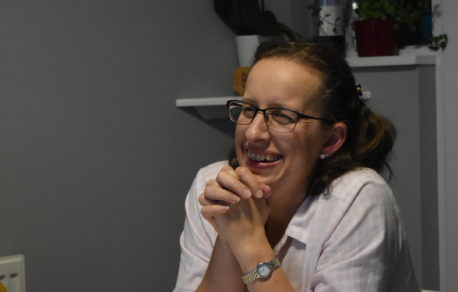
The way we have dealt with the last 12 months is with a positive attitude, laughter and not being afraid to ask for help.Sharon Monelle View story Read quote by Sharon Monelle
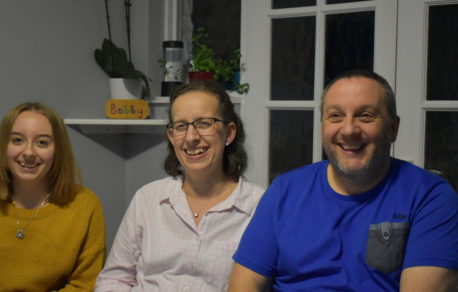
The financial support has alleviated so many problems for us. I can’t express how much it helped - it’s enabled us to live a life.Alan Monelle View story Read quote by Alan Monelle