Autumn wellbeing
Nurturing your wellbeing in the autumn season
The northern hemisphere’s autumn season is underway, and for many of us it offers a reminder that change can be beautiful. The colours of the leaves, the crisper air, and evening coming earlier.
It’s a season association with cosiness, and the boom in the Danish concept of hygge even led to the term being added to the Oxford English Dictionary in 2017!
It provides an opportunity for us to reassess how we are approaching our wellbeing, and the ways that we can be nourishing it.
Here are a few ways that you can improve your wellbeing this autumn season.
Prioritise sunlight in the mornings
Getting exposure to sunlight first thing in the morning sends regulate our circadian rhythm (our body’s internal clock) letting it know that we are ready to wake up and embrace the day and helping improve sleep quality the following night.
This natural light cue helps regulate energy, mood, and sleep patterns. If you are struggling to access natural light in the morning, and find yourself affected by the darker mornings, there are lamps you can buy to help mimic sunlight as you wake,
If you are struggling with your sleep, you can access further support and information through our Sleep Station link here.
Prioritising sunlight also helps ensure that we are getting a healthy dose of vitamin D, which can prove more challenging in the darker months. Why not combine wellness activities by getting active and going for a morning stroll, intentionally looking for local routes where you can enjoy watching the leaves fall and hear that satisfying crunch on your journey.
Embrace the cosy season
Autumn is a time for settling in and getting cosy. Lower levels of sunlight mean you’re your body is likely to release sleep hormones earlier, and for longer, encouraging you to slow down.
Make the most of this by getting your comfiest jumpers, a warm soothing drink and watch your favourite autumnal setting film, or read that book that’s been gathering dust on your shelves.
A heavy jumper or cardigan is not just warm and cosy, it can also have subtle benefits to wellbeing, gently calming our nervous system through the consistent weight sensation provides, much like a weighted blanket does.
Give yourself something to look forward to
Whether it be a trip to a pumpkin patch, treating yourself to your favourite warm drinks, or planning a spooky movie night with loved ones, having something that you can look forward to helps you to stay resilient during the more challenging days.
Our brains are ‘future-orientated’ so having a planned joy gives you reason to feel hopeful and releases our brains feel good hormones that provide us with motivation to keep going.
Check in with yourself
It is a good time of year to check in on your mental health. Use the natural shifts that autumn provides, that sense of slowing down, as your opportunity to pause and take time to invest in your mental health.
Our free Mental Health Check-In Tool, based on clinically validated questions, allows you to anonymously assess how you have been feeling lately. It provides you with personalised results based on your responses.
Just as we might do a spring clean for our homes, we can use the autumn season’s energy to reflect on what’s working for us, what’s weighing us down, and what habits or thoughts we might want to refresh or address further.
Don’t neglect hydration
As the weather turns colder, we tend to reach for the warmer, and often caffeinated, drinks, neglecting our required daily dose of just plain water.
Ensure that you are not accidentally missing this by choosing fruit teas over that second coffee, (or just a glass of water!) preferably with little to no caffeine.
Caffeine can dehydrate us, having an adverse effect on our hydration levels. Hydration is key to our overall wellbeing, supporting everything from our cognitive function to our digestive system.
Get autumnally creative
Creativity helps support positive mood, and Autumn is an ideal time to get creative. Baking, cooking, knitting, crocheting, and writing are all good creative outlets at this time of year.
Did you know that Iceland, which only experiences 4-5 hours of daylight during it’s shortest days in winter, has more published authors per capita than anywhere in the world? This culture of writing is believed to have developed because of the long dark winters and filling time with storytelling through sagas.
And not all pumpkins need to be carved! Painting, gems, glitter, stickers, and more, this activity allows you to get in touch with your self-expression and build your ability to be present in the moment.
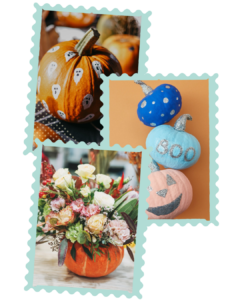
Through the simple joy of creating something yourself, you can boost your mood, enhance feelings of accomplishment and support your overall wellbeing.
Stay connected
The warmth and sun rays of the spring and summer months invite us to go outside and make active plans with loved ones. Whereas the colder, darker months invite us to stay in more and to unwind earlier in the evening.
This change of pace does not have to be a barrier to connecting with others. Make time for a phone call or video call with friends, go for a walk together,
You can also join our free, live monthly webinars where you can uncover a range of different ways to support your wellbeing.
However you are choosing to nurture your wellbeing this season, Foothold is here to make sure that you do not have to do it alone. If you are looking for further support, you can find out more by visiting www.myfoothold.org/support

Estate planning 101: how you can secure your family’s future
What is ‘estate planning’? In collaboration with financial advisers at SecondSight, we explain the basics.

Neurodiversity at work: How leaders and managers can support neurodiverse staff to thrive
Neurodivergent engineer Martin shares his some top tips to help leaders empower neurodiverse colleagues to thrive at work.
Working with ADHD: Thriving with FREE Help from Access to Work
Sam shares her experience with Access To Work and how it can help other engineers with neurodiversity.
Your stories
The way we have dealt with the last 12 months is with a positive attitude, laughter and not being afraid to ask for help.Sharon Monelle View story Read quote by Sharon Monelle
The financial support has alleviated so many problems for us. I can’t express how much it helped - it’s enabled us to live a life.Alan Monelle View story Read quote by Alan Monelle